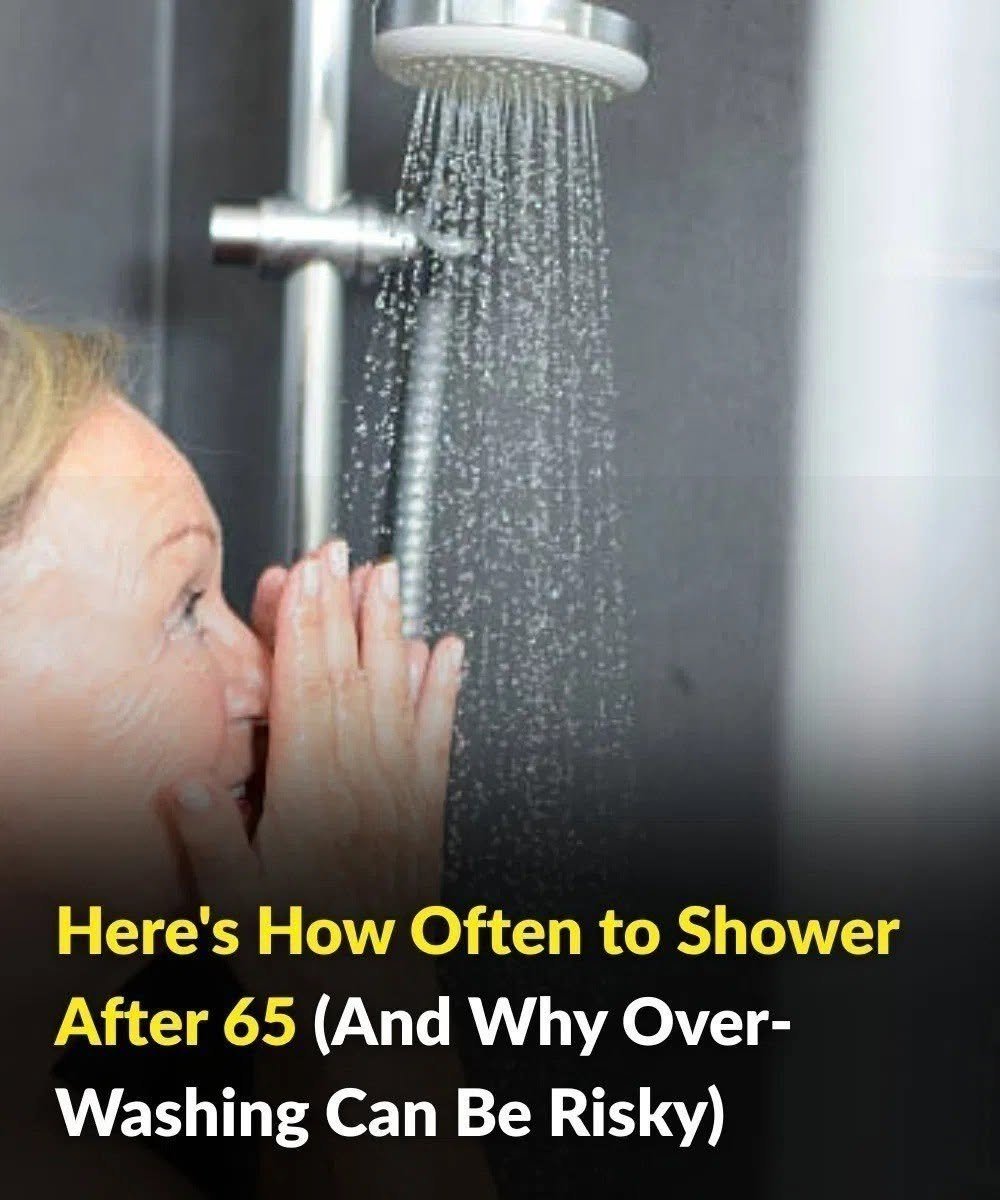
For most of our lives, we’ve been told that daily showering is a non-negotiable part of good hygiene. But as skin ages, the rules change. What worked for your skin at 30 or 40 may actually be harming it at 65 and beyond.
Dermatologists are increasingly advising older adults to reconsider their bathing habits. The message is simple and surprising: when it comes to bathing after 65, less is often more.
Here’s why, along with practical guidance for keeping your skin clean, comfortable, and healthy in your later years.
How Aging Changes Your Skin
To understand why bathing habits need to change, it helps to first understand how skin transforms with age.
AGE-RELATED CHANGE WHAT HAPPENS CONSEQUENCE
Thinner skin The outer layer loses density Less protection against irritants and moisture loss
Reduced oil production Sebaceous glands become less active Skin becomes drier and more prone to cracking
Decreased natural moisturizing factors Skin produces fewer hydrating compounds Impaired ability to retain moisture
Slower cell turnover New skin cells replace old ones more slowly Longer healing time; duller appearance
Reduced blood flow Circulation to the skin diminishes Less nutrient delivery; slower repair
The result: senile xerosis—age-related dry skin. This condition affects more than 75% of adults over 65 and is the leading cause of itchy, flaky, uncomfortable skin in older adults.
Why Frequent Bathing Worsens Skin Problems
Every time you shower or bathe, you are doing three things to your skin:
EFFECT EXPLANATION
NEXT PAGE