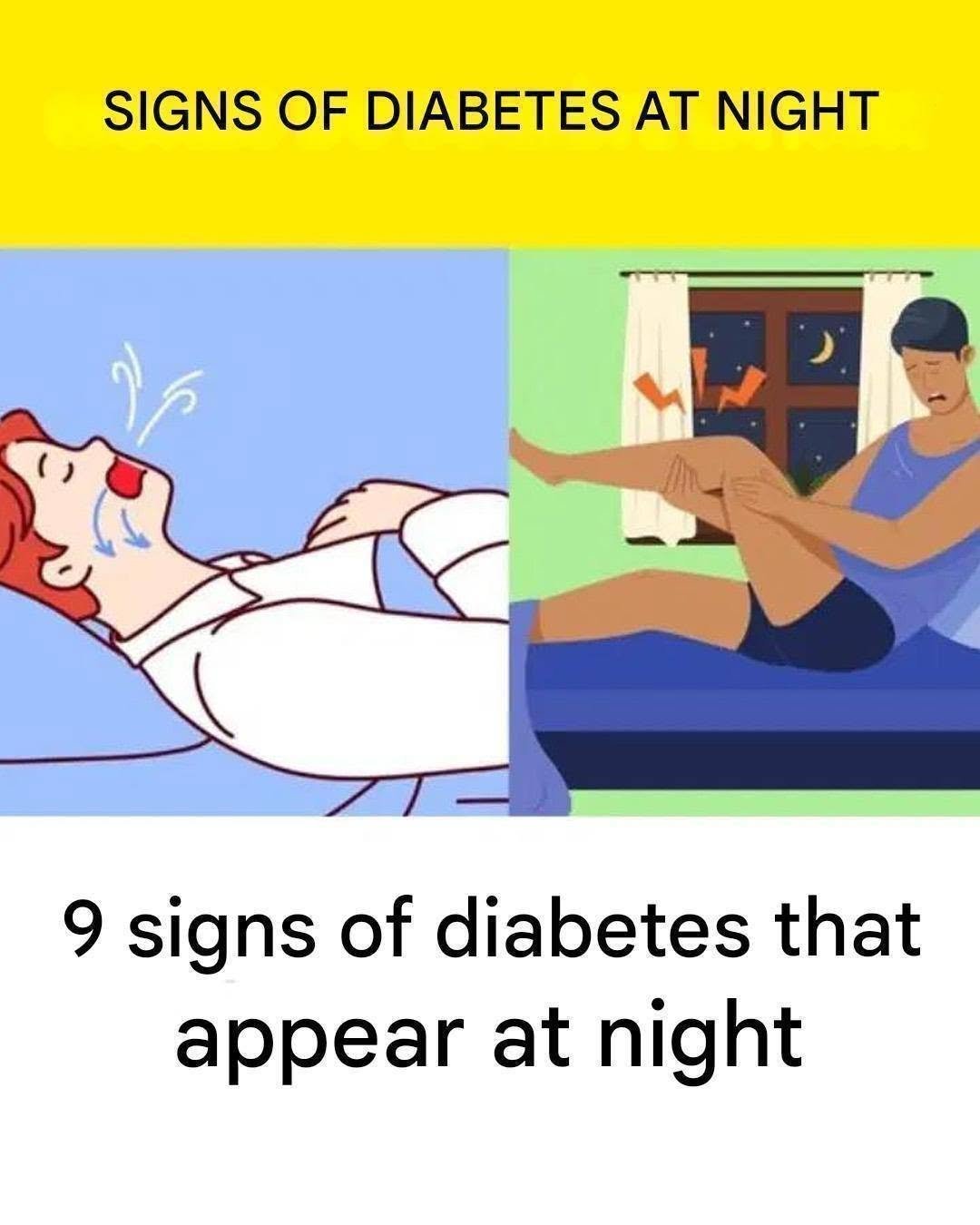
How Diabetes Is Usually Diagnosed
Common tests include:
Fasting blood glucose
HbA1c
Oral glucose tolerance testing
Random blood glucose in certain situations
A healthcare professional can determine which test is appropriate based on symptoms and risk factors.
Who Should Consider Getting Checked?
Testing may be especially important if nighttime symptoms occur along with risk factors such as:
Family history of diabetes
Overweight or obesity
High blood pressure
Previous gestational diabetes
Polycystic ovary syndrome
Physical inactivity
Older age
When to Seek Medical Advice
Consider getting checked if you repeatedly notice:
Excessive thirst
Frequent nighttime urination
Unexplained fatigue
Tingling or numbness
Blurred vision
Unexplained weight loss
Slow-healing wounds
Seek urgent care if you develop severe weakness, confusion, vomiting, rapid breathing, or loss of consciousness.
The Bottom Line
Nighttime symptoms can sometimes provide clues that blood sugar deserves attention.
Frequent urination, excessive thirst, restless sleep, sweating, nerve symptoms, unusual hunger, blurry vision, leg discomfort, and persistent fatigue can all occur in people with diabetes—but none of them proves the diagnosis on its own.
If several symptoms are happening together or getting worse, a simple blood test can provide much more useful information than guessing from symptoms alone.
NEXT PAGE