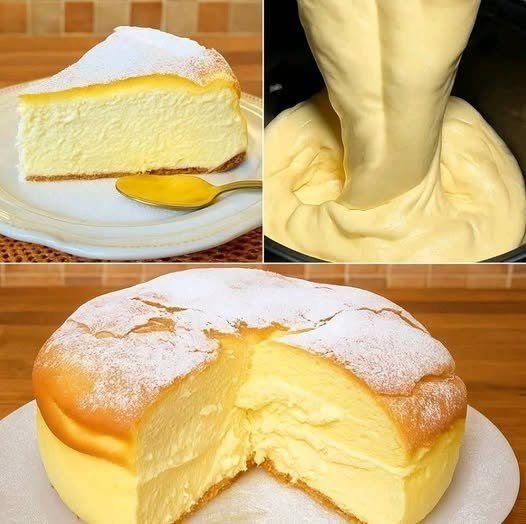
Removing lumps from the cheese at this stage is important, since any remaining clumps will be much harder to smooth out once the mixture is folded together with the whipped egg whites. Taking the time to mix this base thoroughly before moving on to the next step makes the folding process easier and helps avoid overworking the batter later, which could otherwise deflate the airy texture you are trying to build.
How Sweetness Spreads Through the Cake
The sweetener blended into the cheese and egg yolks creates a mild, lightly sweet flavor that spreads evenly throughout the finished cake layers. Since the cake itself has a fairly delicate, subtle flavor on its own, this gentle sweetness works well alongside the richer coffee buttercream added later, rather than competing with it for attention.
ADVERTISEMENT
Whipping Egg Whites for the Right Texture
The whipped egg whites are really what set this cake apart from other low carb desserts. They need to be beaten until stiff peaks form, creating a thick, airy texture that will eventually give the baked cake its lightness. A clean bowl and clean beaters are essential here, since even a small amount of grease left behind can prevent the egg whites from whipping up properly.
Using Cream of Tartar for Stability
If you choose to use cream of tartar, it should be sprinkled over the egg whites before you begin beating them. This ingredient helps the egg whites remain stable throughout the whipping process, allowing them to hold their volume for longer once they reach stiff peaks, which is particularly helpful during the folding stage that follows.
Recognizing When Egg Whites Are Ready
The egg whites need to become firm enough to hold their shape completely before moving on to the next step. This part of the process requires a bit of patience, since the air incorporated into the whites during whipping is directly responsible for the finished cake’s light texture. Once ready, the egg whites should be handled carefully to avoid losing any of that trapped air.
NEXT PAGE